What is brand protection? A guide for 2026

Brand protection is the work of keeping your name, logo, products and accounts safe from copycats, scammers and hackers. This guide explains online and social media brand protection, how monitoring, detection, takedown and account security fit together, and the main threats to plan for in 2026.
Brand protection is the work of keeping your brand's name, logo, products and reputation safe from people who copy, misuse or attack them. It covers legal steps like trademark registration, plus the monitoring and enforcement that stop fakes, scams and hijacked accounts from reaching your customers.
Online brand protection applies the same idea to the places customers find you on the internet: your website, domains, app stores, marketplaces, ads and social media. Because impersonators, scammers and hackers work in minutes, online brand protection relies on constant monitoring and fast takedowns instead of occasional legal reviews.
Social media brand protection is the part of that work most companies feel first. Fake profiles, phishing DMs, spam comments and hacked accounts all hit your audience directly, and most of it happens on platforms you don't control. Social media brand protection software watches those channels around the clock and acts when something looks wrong.
This guide explains how brand protection works, the main threats to watch for in 2026, and how to build a strategy that covers legal rights, monitoring and account security.
Brand protection at a glance
- What it protects: your name, logo, domains, products, social accounts and the trust customers place in them.
- How it works: monitoring, detection, takedown and enforcement, and account security working together.
- Main threats: impersonation, lookalike accounts and counterfeits, account takeover, phishing and scams, and harmful comments.
- Best starting point: register your rights, claim your handles, and put monitoring in place before an incident forces the issue.
What is online brand protection?
Traditional brand protection focused on physical goods and legal enforcement, such as tracking counterfeiters through customs paperwork or chasing domain squatters one URL at a time. Online brand protection expands that scope to every digital channel where someone could pretend to be you. That includes websites, email addresses, paid ads, app listings, marketplaces, social profiles, comment sections and DMs.
It combines three things: legal rights that give you standing to act, monitoring technology that finds threats early, and takedown workflows that remove them quickly. Generative AI has made the monitoring part more urgent, because fake sites, profiles and messages are now cheap to produce at scale.
What is social media brand protection?
Social media brand protection is the practice of defending your brand's accounts, reputation and audience on platforms like Instagram, TikTok, Facebook, YouTube, LinkedIn and X. It focuses on the threats that spread fastest there: impersonator accounts, account takeovers, phishing links in comments and DMs, and scam or abusive comments under your posts.
For most brands, social media is where customers ask questions, complain and look for support, which makes it the easiest place for a scammer to catch them. If you want a closer look at the practical side, see our guide on how to protect your brand on social media.
Why is brand protection important?
The cost of ignoring brand protection has climbed sharply. Organizations now lose an estimated $4.61 for every $1 of fraud, once you factor in operational costs, chargebacks and recovery efforts.
Social media sits at the center of that problem. The FTC reported that people lost $2.1 billion in 2025 to scams that started on social media, nearly 30% of all reported scam losses. In a separate release, the FTC said people reported losing $3.5 billion to imposter scams in 2025, with nearly $1 billion going to scammers pretending to be businesses.
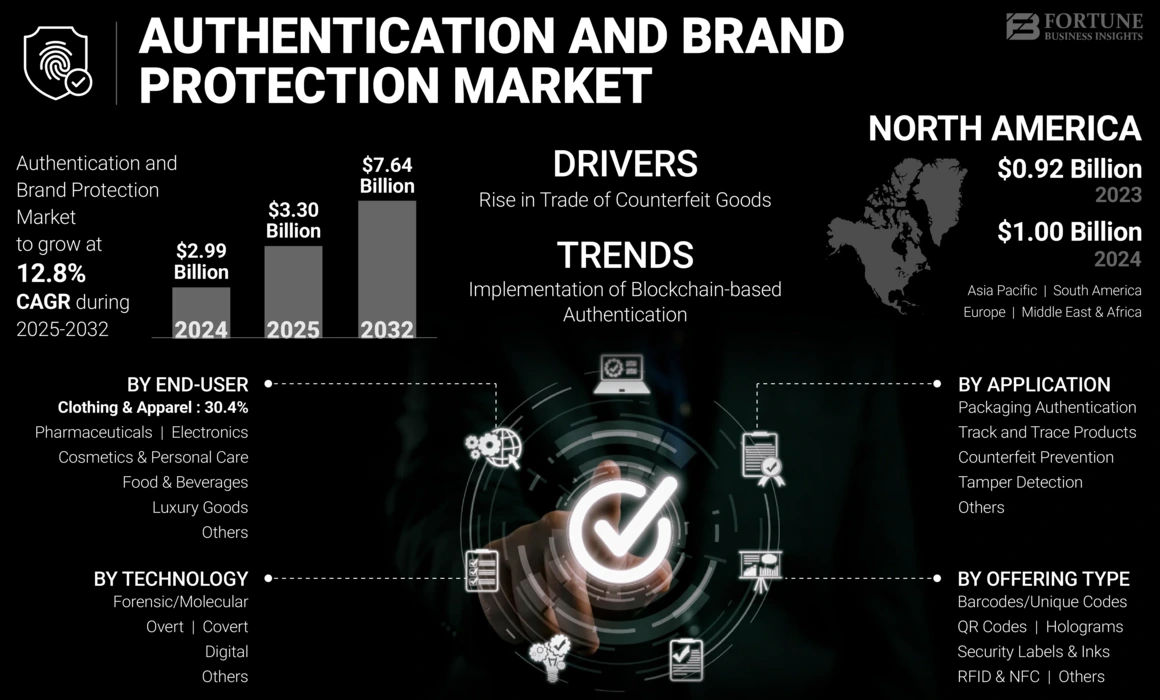
Companies have noticed. The global authentication and brand protection market was valued at USD 2.99 billion in 2024 and is projected to grow from USD 3.30 billion in 2025 to USD 7.64 billion by 2032.
Beyond the numbers, there's the trust problem. Every fake product, fake support account and phishing DM sent in your name erodes trust you spent years building, and your customers will often blame you, not the scammer. Our breakdown of the real cost of poor brand protection on social media shows how quickly that adds up.
How does brand protection work?
Effective brand protection runs as a loop with four parts. Each one feeds the next, and a gap in any of them leaves room for an attacker.
1. Monitoring
Monitoring means continuously watching the places where your brand could be misused: social platforms, domains, marketplaces, ads and app stores. The goal is to see a fake profile, a lookalike domain or a scam link in the hours after it appears, not weeks later when customers start complaining. Our guide to brand protection monitoring covers what to track and how often.
2. Detection
Detection is the step that separates real threats from noise. Software compares what it finds against your logo, name, bio, handles and typical content, then scores how likely each result is to be an impersonation, a scam or an abusive post. Good detection reduces false alarms, so your team spends its time on the cases that matter.
3. Takedown and enforcement
Once a threat is confirmed, you need to get it removed. That usually means filing reports through each platform's official process, backed by proof of ownership such as a trademark registration, and escalating to legal action when a case calls for it. Speed matters here, because every hour a fake account stays up is another hour it can reach your audience.
4. Account security
Account security protects the channels you own. It includes strong authentication, control over who has access to each account, and alerts for suspicious logins, so an attacker can't take over your profiles and use your own audience against you. Many teams treat this as separate from brand protection, but a hijacked official account is the most damaging attack of all.
If you're comparing options for each of these steps, our roundup of the best brand protection tools and our review of social media brand protection tools are good places to start.
What are the main brand protection threats?
Five threats do most of the damage to brands online. Each exploits a different weakness in how you show up, and each needs its own response.
Brand impersonation
Brand impersonation happens when someone creates a fake version of your brand to trick your customers. That can be a website, an email address, a paid ad or, most commonly, a social media profile.
Attackers copy your logo, bio, recent posts and even your tone of voice. We've seen fake customer support accounts reply to complaints on real brand posts, asking users to click a link to "resolve" their issue, only to steal login details or card information. The result is drained bank accounts, angry customers and a PR problem you didn't cause but have to clean up.
Lookalike accounts and counterfeits
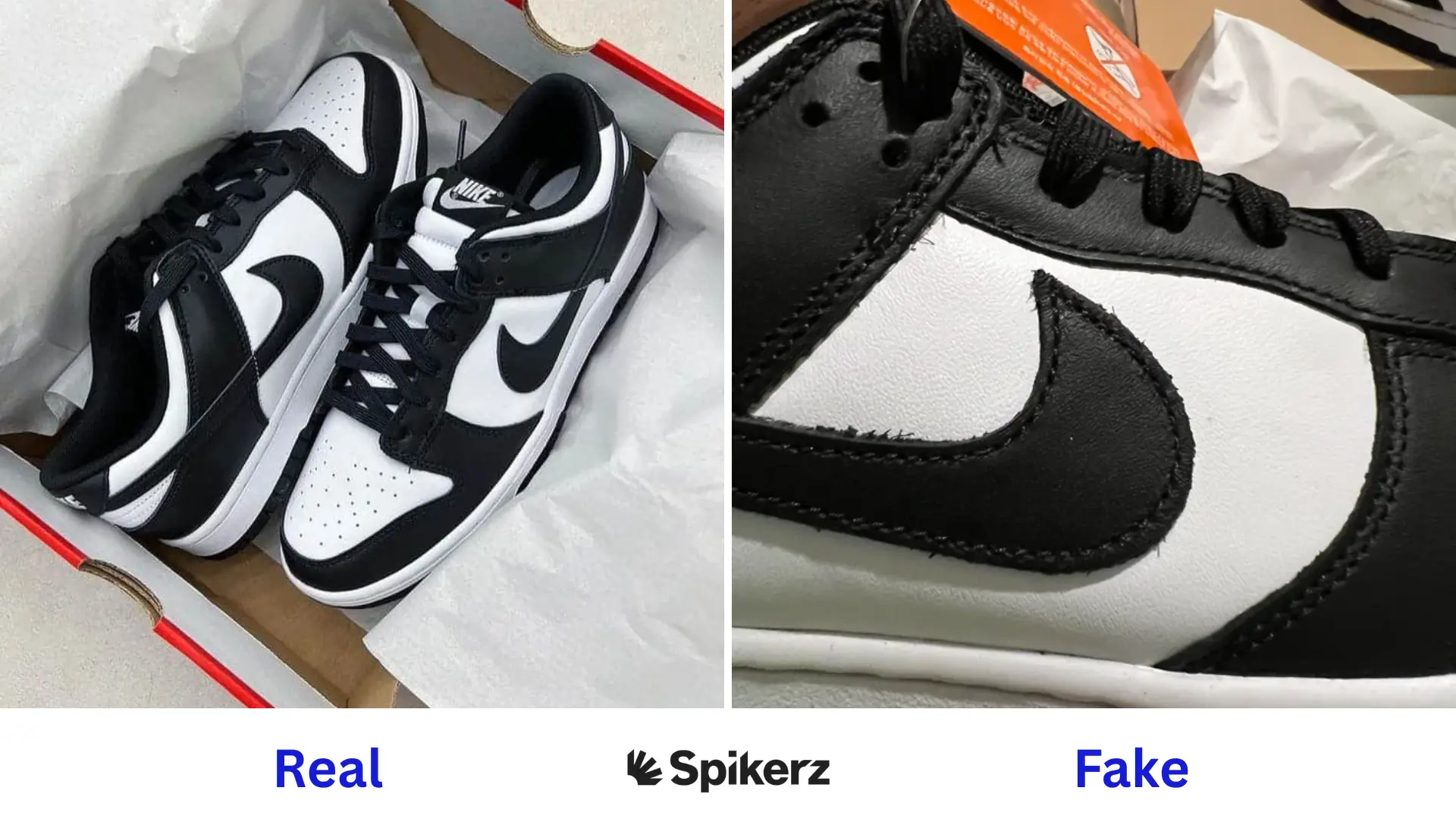
Lookalike accounts use your name with a small change, such as an extra letter, a swapped character or a suffix like "support" or "official." They're used to sell fakes, collect payments or run giveaways that never pay out.
Counterfeit products are unauthorized copies of your goods, sold under your brand name without your permission. They cut into revenue, damage your reputation when the fake breaks or harms someone, and expose you to legal risk. According to a 2026 report on illicit trade by OECD and EUIPO, the global value of international trade in counterfeit and pirated goods amounts to up to USD 467 billion annually, as much as 2.3% of global trade. If you sell anything physical, some of your buyers are being fooled by fakes right now.
Domain and trademark squatting
Cybersquatting is when someone registers a domain name that matches your brand, planning to sell it back to you at a markup or use it to scam your customers. Trademark squatting works the same way across regions: a bad actor files for your trademark in a country before you do, then blocks your entry into that market.
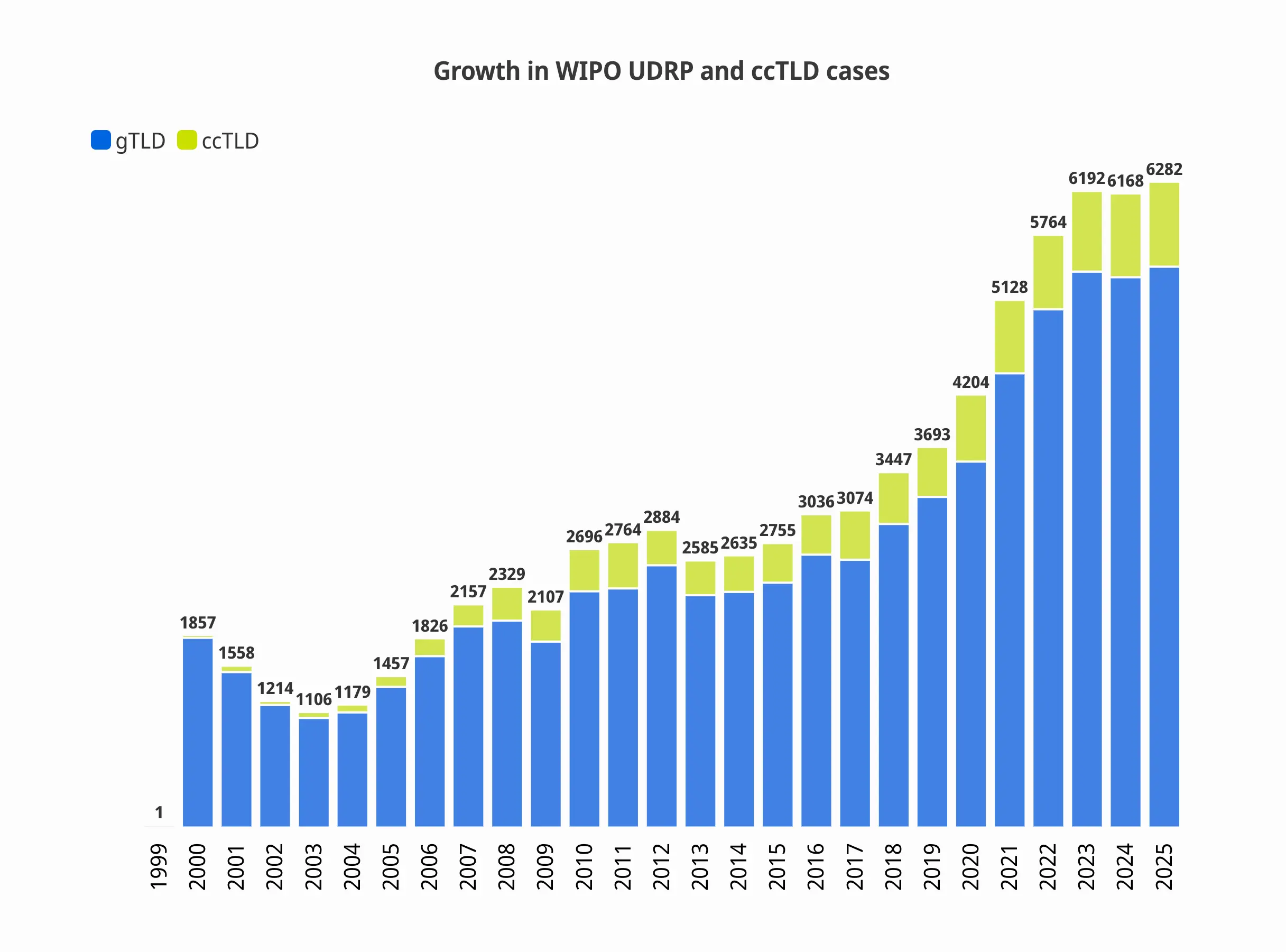
WIPO reached a new milestone in 2025, managing over 6,200 domain name cases, its highest caseload on record. WIPO saw increases in domain name case filings for the ccTLDs of .CO (Colombia), .AU (Australia), .IO (British Indian Ocean Territory), .MX (Mexico), .IE (Ireland) and .UA (Ukraine). The problem is growing across every region where your brand has value.
Account takeover
Account takeover is when an attacker gains control of your brand's social account to hold it for ransom, run scams on your audience or damage your reputation with harmful posts. It usually starts with a stolen password, a bypassed 2FA code or a phishing link that tricks a team member into handing over access.
Brands have lost access to accounts with millions of followers overnight. Attackers push crypto scams to the audience, DM followers phishing links and demand payment to return the account. The losses stack up fast: ad revenue, follower trust, campaign momentum and sometimes the account itself.
One industry report estimated that 429 million social media accounts were hacked in 2025, and another analysis found that phishing is behind a large share of those incidents.
Phishing and scams
Phishing and scams target your customers and your team through the channels you already use. Scammers reply to your posts with fake support links, send DMs that look like they came from your brand, or pose as brand partners to get a team member to share login details. Our guide to social media scams shows how brands are fighting back, and the 7 ways to detect phishing on social media is a quick checklist for your team.
Harmful comments
Your comment sections are part of your brand. Spam, scam links, hate speech and abusive replies under your posts put off customers and give scammers a free place to reach your audience. Moderating them at scale takes automation, because manual review can't keep pace on busy accounts. See our social media comment moderation playbook for how to set this up.
How to build a brand protection strategy
These threats are serious, but you're not defenseless. A layered strategy stops most attacks before they reach your customers and helps you recover fast when something slips through.
1. Register your copyrights, trademarks and patents
Register every trademark, copyright and patent tied to your products, services, logos and brand assets. Do it early, and do it in every market where you plan to operate. Platforms and marketplaces commonly ask for proof of ownership before they act on an infringement report, and a registered trademark is the clearest proof you can offer. Without it, takedown requests can stall while the scam keeps running.
2. Claim your digital real estate
Claim your brand handles on every major platform, even the ones you don't use for business. That means Instagram, TikTok, YouTube, Facebook, X, LinkedIn and any new platform your audience might move to. If your brand is Acme, own @Acme, @AcmeSupport, @AcmeHelp and @AcmeOfficial wherever you can. Unused handles cost very little, and a squatter running scams under your name costs a lot.
3. Protect your partnerships
Vendors, agencies, influencers and resellers all need some level of access to your brand assets or accounts, and each one is a new attack surface. Use clear non-disclosure agreements, spell out how partners can use your logo, and define what happens to their access when the relationship ends.
4. Use social media brand protection software
The fastest way to cover social channels is a platform built for that job. Spikerz is a social media security platform that watches your accounts around the clock for hackers, impersonators, phishing attempts and spam. It connects through official platform APIs, so you never share passwords or credentials.
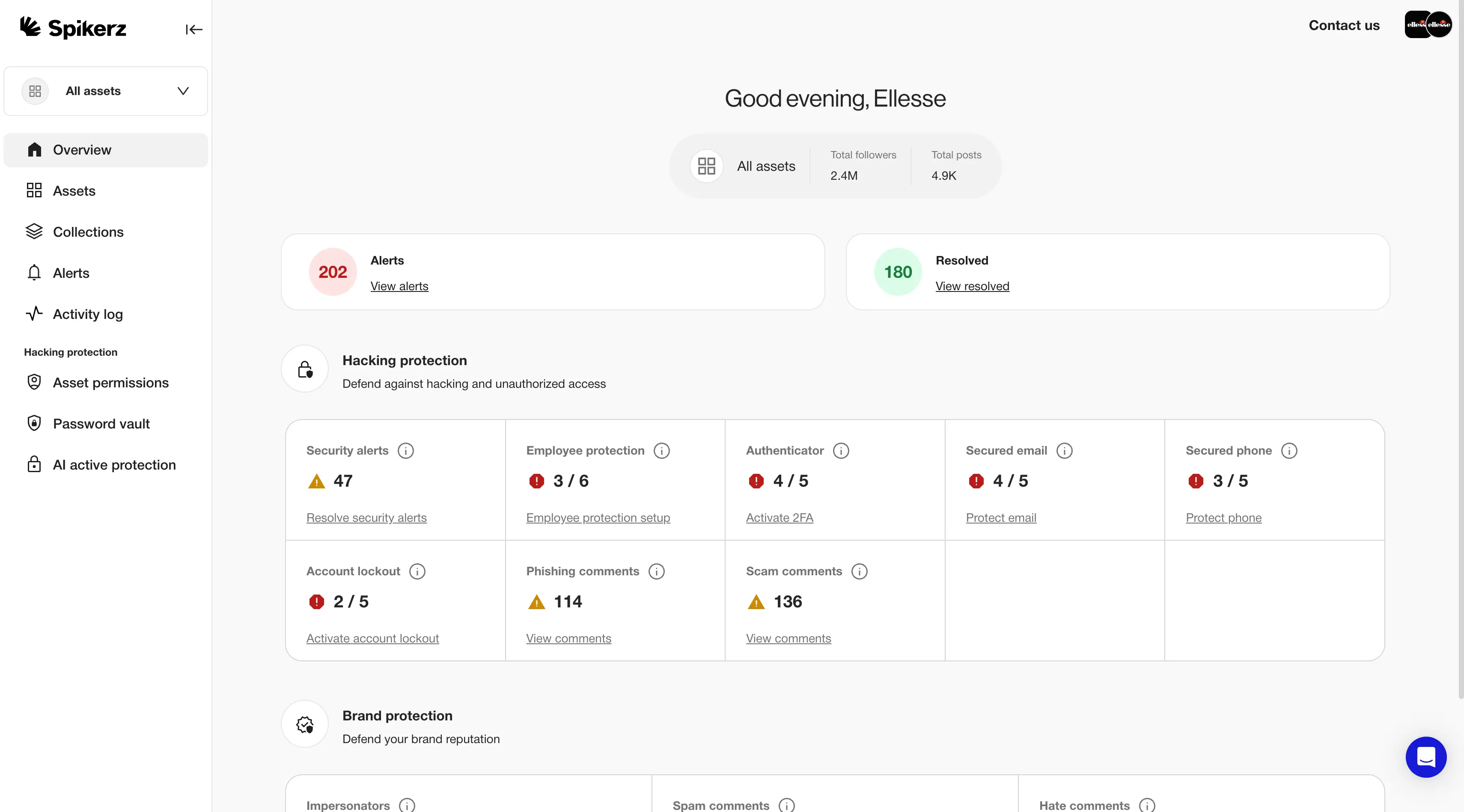
Here's how Spikerz protects your social media presence:
- Account takeover protection: Detects suspicious logins and helps you secure the account before an attacker can use it.
- Phishing protection: Scans comments and DMs for phishing links so they can be blocked before your team or customers click them.
- Access management: Shows who has access to each account and lets you remove access instantly when someone leaves the team.
- Impersonator detection and takedown: Finds fake accounts pretending to be your brand and supports takedown requests through built-in workflows.
- Comment moderation: Uses AI to hide spam, scams, phishing links and hate speech across Instagram, TikTok, Facebook, YouTube, LinkedIn and X.
Ready to protect the audience you spent years building?
Book a consultation to see how Spikerz shuts down attackers before your customers notice them.
5. Bring in experts
You may have a strong in-house security and IT team, but social media protection is a specialty of its own. Platforms change their rules often, attackers change tactics faster, and no internal team can watch every account every hour. A specialist partner sets up your protection, keeps you current on new threats and provides round-the-clock monitoring so your team can stay focused on growth.
Conclusion
Brand protection is the work of defending everything your customers recognize as you, from your trademarks and domains to your social accounts and comment sections. Impersonators, counterfeiters, squatters and hackers have better tools than ever, and the cost of losing that fight keeps rising.
The strategy that works is simple to describe but demanding to run: register your legal rights, claim your handles, lock down your partnerships, use technology built for social media threats, and bring in experts who watch the platforms full-time. Each layer catches what the others miss, and together they build a defense your customers can trust.