How to Get Rid of Unwanted Comments Automatically on Facebook


Summary:
Automatically moderating Facebook comments requires more than hiding offensive language. An effective approach combines auditing comment trends, using Facebook's built-in moderation tools, managing ad comments separately, and supplementing keyword filters with AI-powered moderation that can detect spam, scams, phishing attempts, and abusive content at scale.
Unwanted comments can quickly undermine the value of your Facebook posts. Left unchecked, they can damage your brand's reputation, discourage genuine engagement, and create a poor experience for your audience.
This guide explains how to automatically moderate unwanted Facebook comments using Facebook's built-in tools and shows when advanced solutions like Spikerz can help protect your community at scale.
Why It's Important to Control Facebook Comments
Effective comment moderation benefits both your business and your community. Here's how
- Brand Image: Unwanted comments can tarnish your brand's image and drive potential customers away. Negative remarks can quickly escalate and dominate the conversation, overshadowing your brand's message. Potential customers may associate these negative comments with your brand, affecting their perception and trust.
- User Experience: Negative comments can create an unpleasant atmosphere for your followers. Constructive discussions can be derailed by hostile or inappropriate remark. Followers are more likely to engage with a brand that fosters a respectful and supportive community. Ensuring a positive experience encourages repeat visits and builds loyalty among your audience.
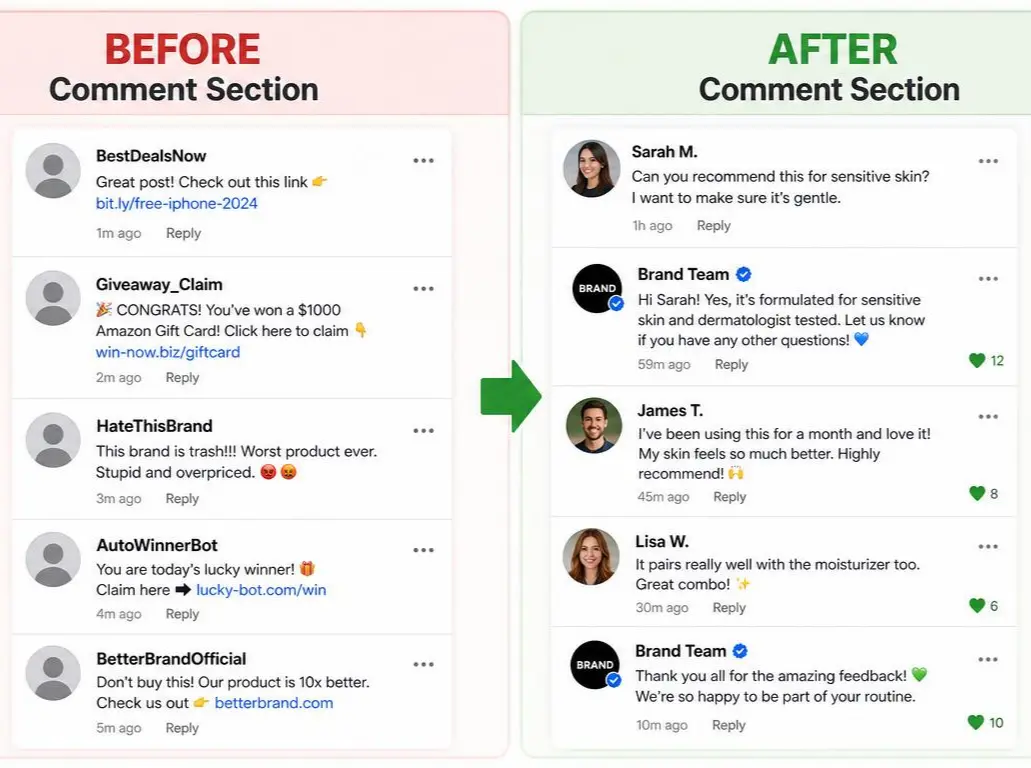
- Spam Control: Spam comments can clutter your posts and make it difficult for users to find genuine interactions. Spam can drown out meaningful comments, reducing the value of the conversation for your followers. Users may become frustrated and disengage if they have to sift through irrelevant or repetitive content. Effective spam control keeps the discussion focused and relevant.
- Community Standards: Maintaining a positive community requires strict control over inappropriate comments. Enforcing community guidelines helps cultivate a respectful and inclusive environment for all users. This proactive approach protects your brand and fosters trust and respect among your followers.
How to Moderate Unwanted Comments on Facebook (Step-by-Step)
1. Audit Your Facebook Comments Before Changing Anything
Before you start hiding comments or adding filters, understand what you're dealing with. Review comments from the past 30 to 60 days across both organic posts and paid campaigns.
Look for recurring patterns, such as:
- Spam promoting products or fake services
- Phishing links and giveaway scams
- Repeated bot comments
- Profanity, hate speech, or harassment
- Competitor promotions
- Off-topic comments that derail conversations
This exercise helps you build moderation rules based on real threats instead of guesswork. For example, a news publisher may deal with political spam, misinformation, or coordinated bot campaigns, while a financial company is more likely to see crypto scams or phishing attempts.
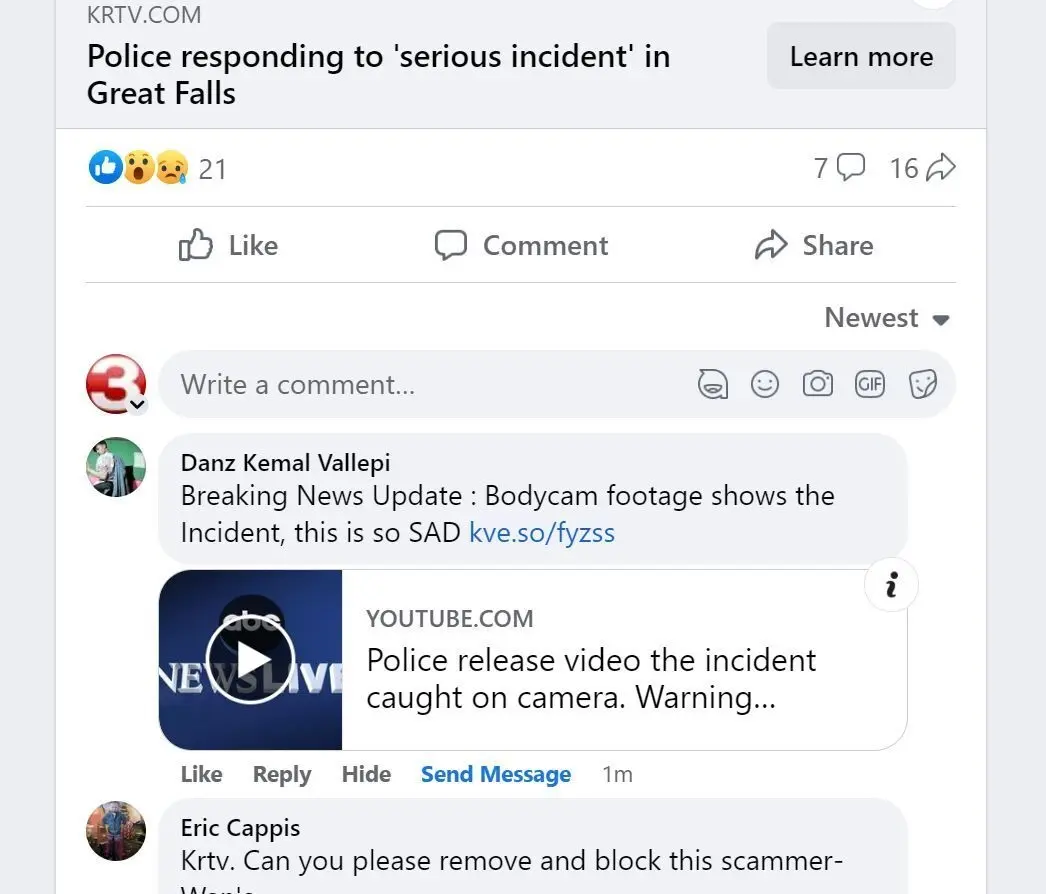
If you already use Spikerz, its moderation reports can quickly reveal recurring spam and abuse patterns, helping you fine-tune your moderation strategy over time.
Keep a running spreadsheet of recurring keywords, phrases, emojis, and scam formats. You'll use this in the next step.
2. Turn On Facebook's Built-In Comment Filters
Facebook includes several moderation tools that can automatically hide offensive comments before they become visible to everyone.
To enable them:
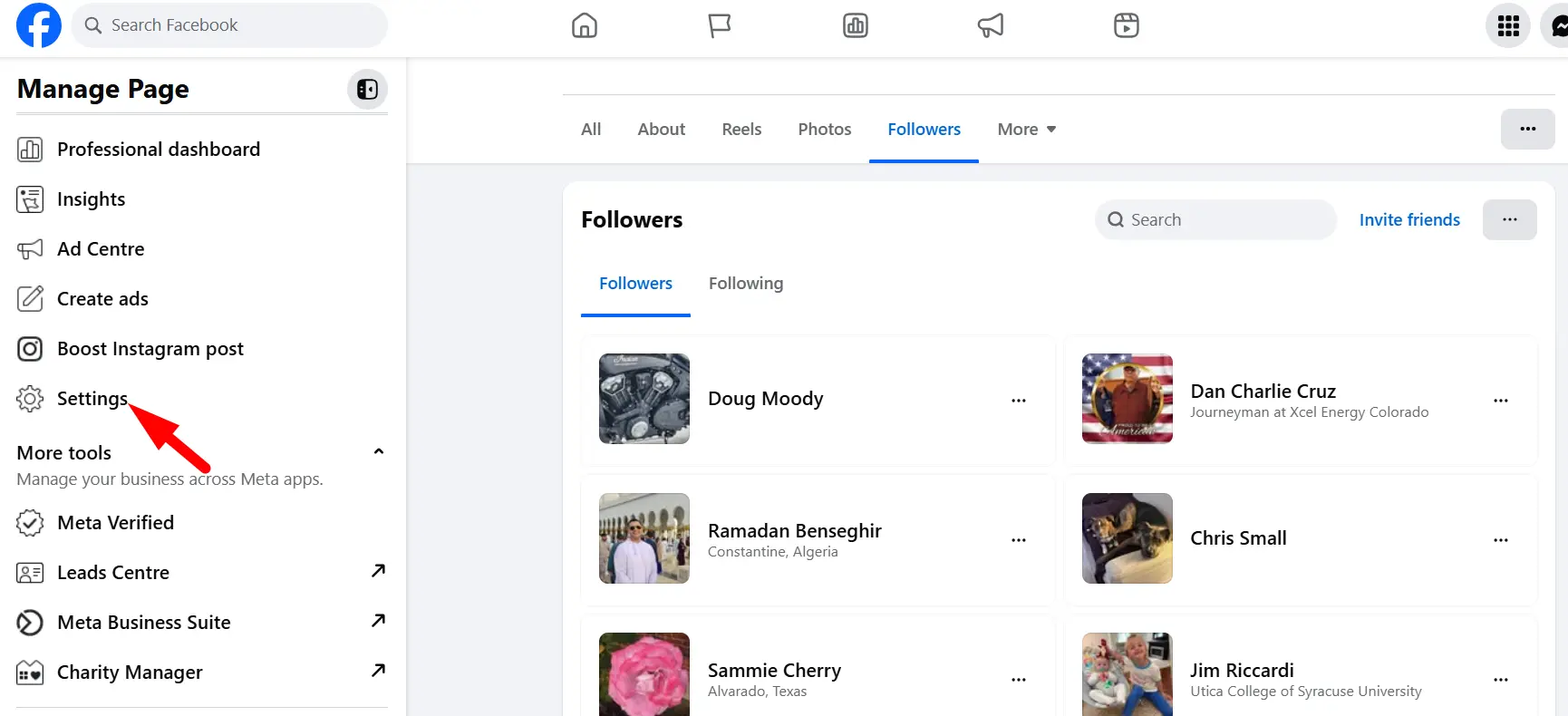
Settings → Followers and Public Content → Hide Posts and Comments With Profanity
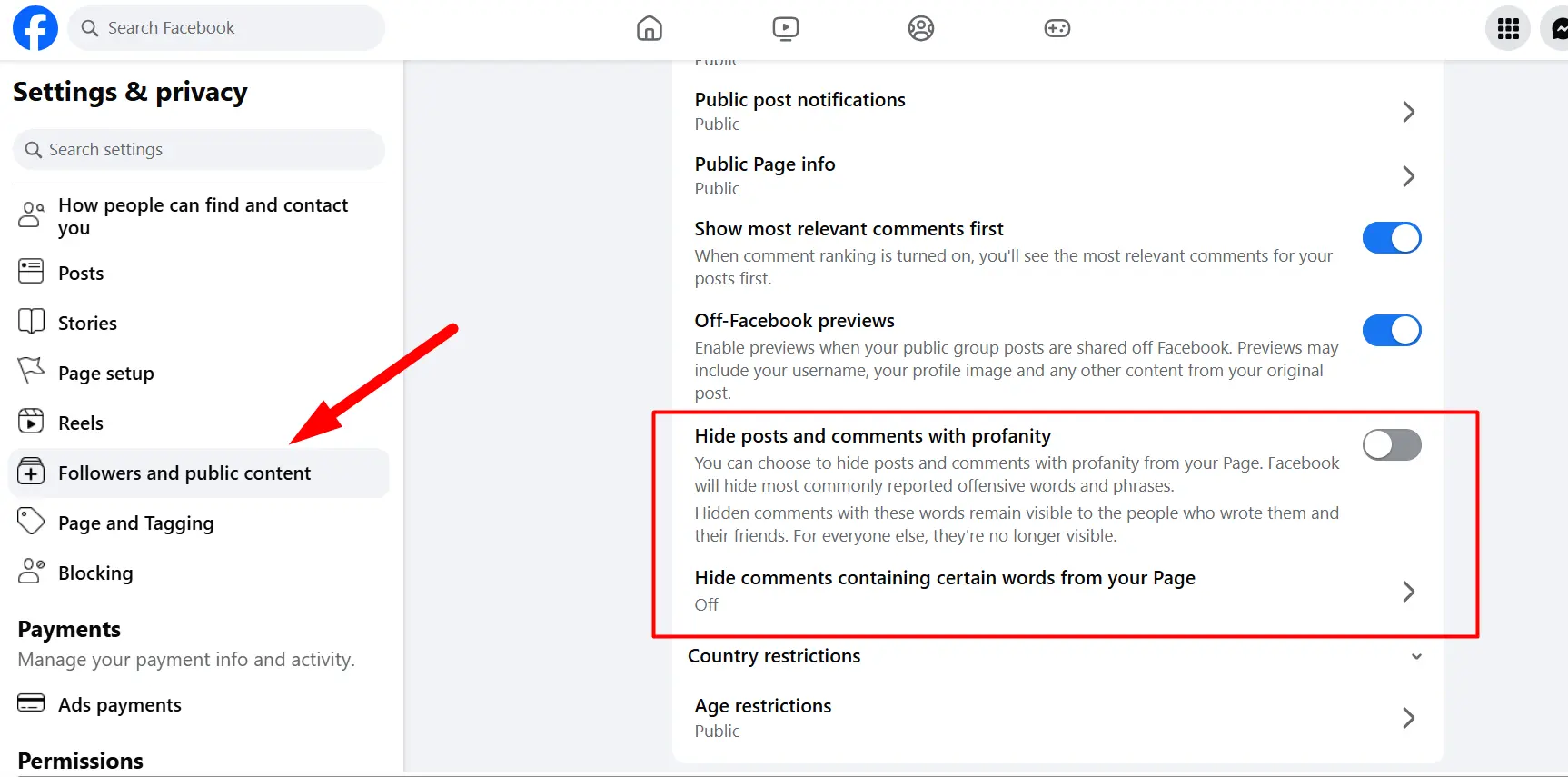
You should also add up to custom words, phrases, or emojis by selecting "Hide comments containing certain words from your Page” in the same menu.
Instead of creating one long list of random blocked words, organize your keywords into categories based on the issues you identified during your audit.
For example:
Spam and Promotions
- Free followers
- DM for promo
- Link in bio
- Make money fast
- Forex
- Crypto investment
Phishing Attempts
- Click here
- Message me
- Check inbox
- Verify account
Competitor Promotions
Add competitor brand names or recurring promotional phrases that appear on your posts.
Profanity and Hate Speech
Include offensive language that's relevant to your audience and industry.
Don't forget emojis. Spam accounts frequently rely on combinations such as 💰 🚀 📲 🔥 rather than words alone.
While these filters are useful, they mainly rely on keyword matching. They won't understand context, identify sophisticated scams, or catch new spam tactics that don't contain your blocked words.
3. Configure Facebook’s Moderation Assist
Moderation Assist automatically hides new comments that match rules you define, giving you another layer of protection beyond Facebook's profanity and keyword filters.
To set it up:
Professional Dashboard → Engagement → Moderation Assist → Add
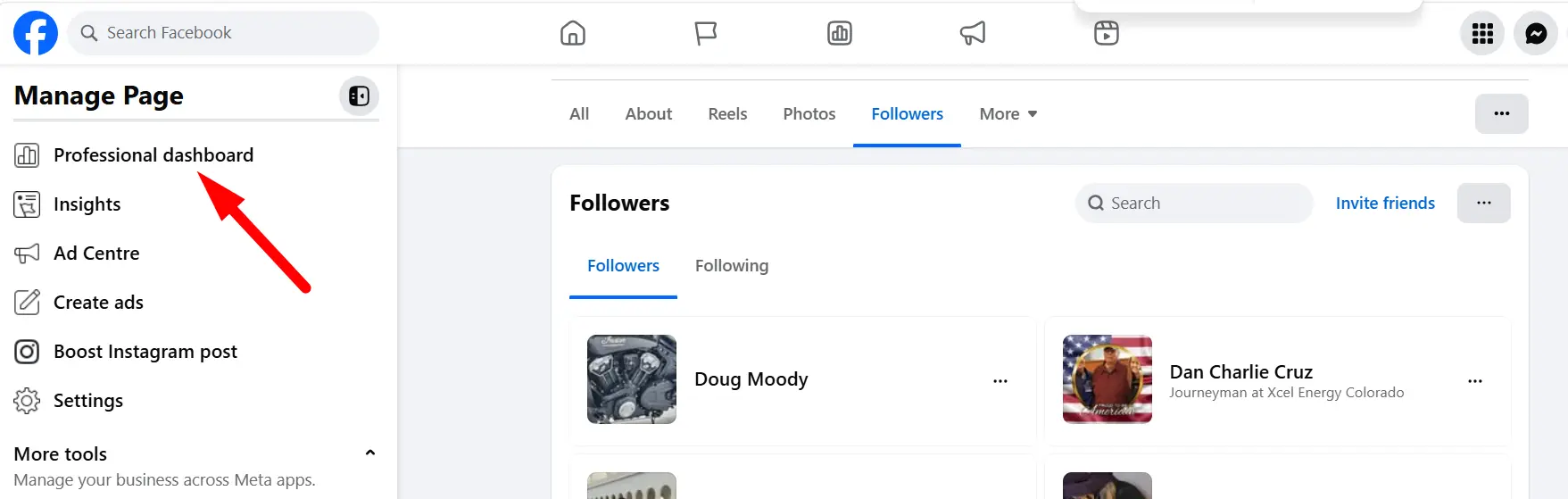
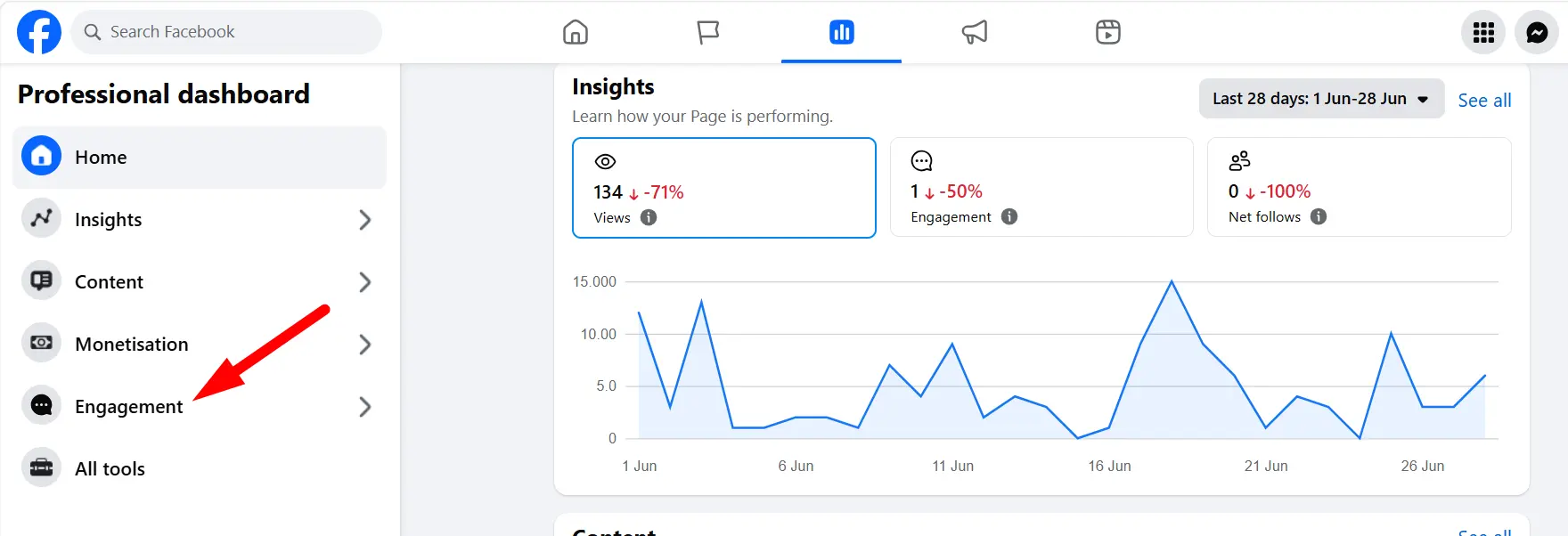
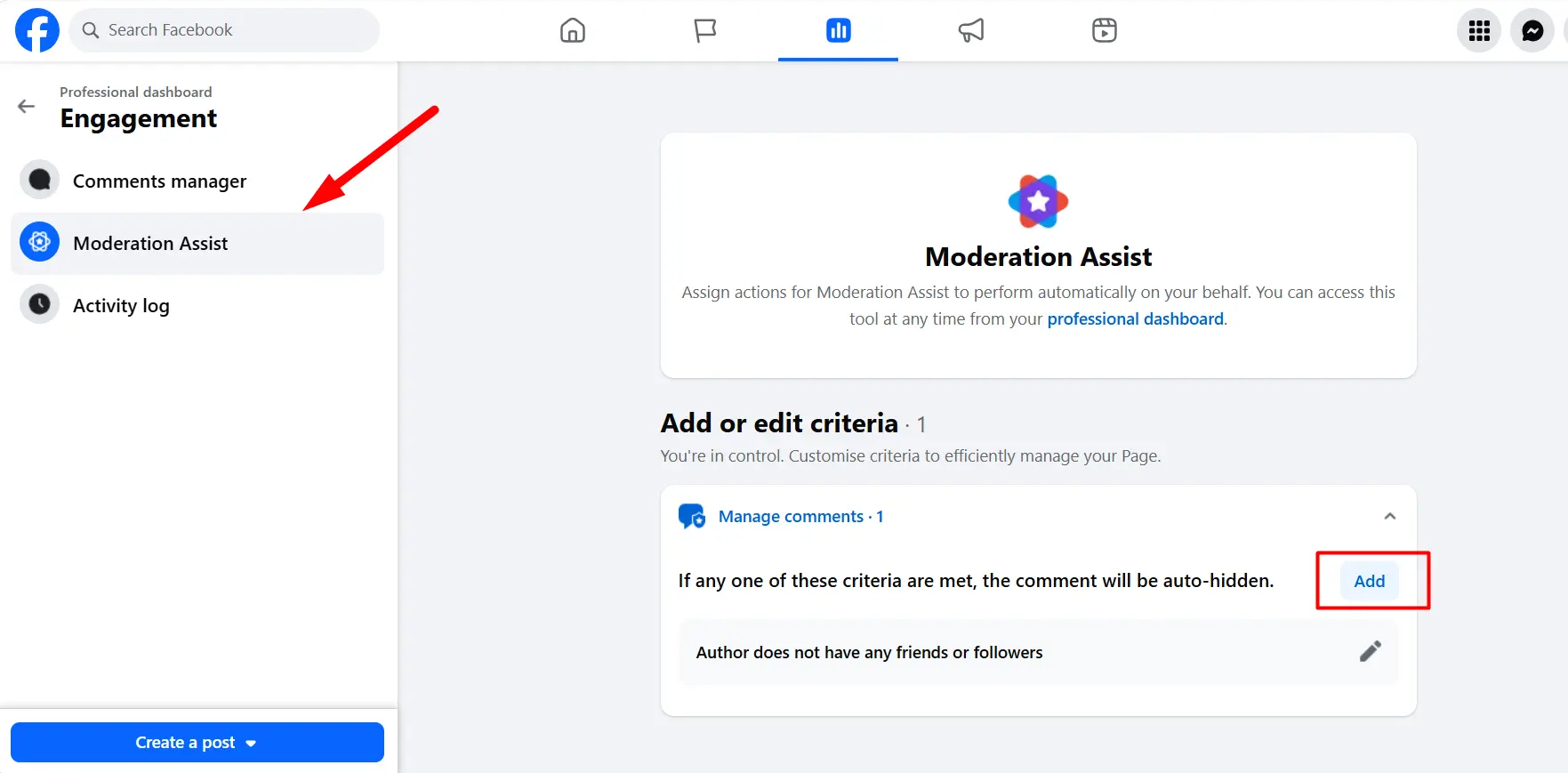
From there, you can create rules to automatically hide comments that:
- Contain links, images, videos, or specific websites
- Include custom keywords
- Contain profanity
- Come from newly created accounts, suspected fake profiles, or people whose comments you've repeatedly moderated before
You can combine multiple criteria, and Facebook automatically detects common variations of your blocked keywords, including misspellings and character substitutions.
Review your Activity Log regularly to see which comments were hidden, refine your rules, and restore any comments that were incorrectly filtered.
Moderation Assist is a valuable upgrade over basic keyword filtering, but it still only works on Facebook Pages and profiles. It doesn't moderate Facebook Ads or fully understand context, sarcasm, evolving scams, or brand-specific conversations.
For brands managing high volumes of comments across multiple platforms, Spikerz adds contextual AI that detects spam, scams, hate speech, and abusive comments based on intent rather than keywords alone, reducing the need for constant rule updates.
4. Protect Your Facebook Ads Separately
Facebook Ads often attract more spam, scams, and fake engagement than organic posts. In fact, spam and bot comments on paid campaigns can reduce conversion rates by 14.7%, making ad moderation an important part of campaign performance.
To review comments on an ad:
- Open Ads Manager and select the campaign containing your ad.
- Click Edit on the specific ad you want to review.
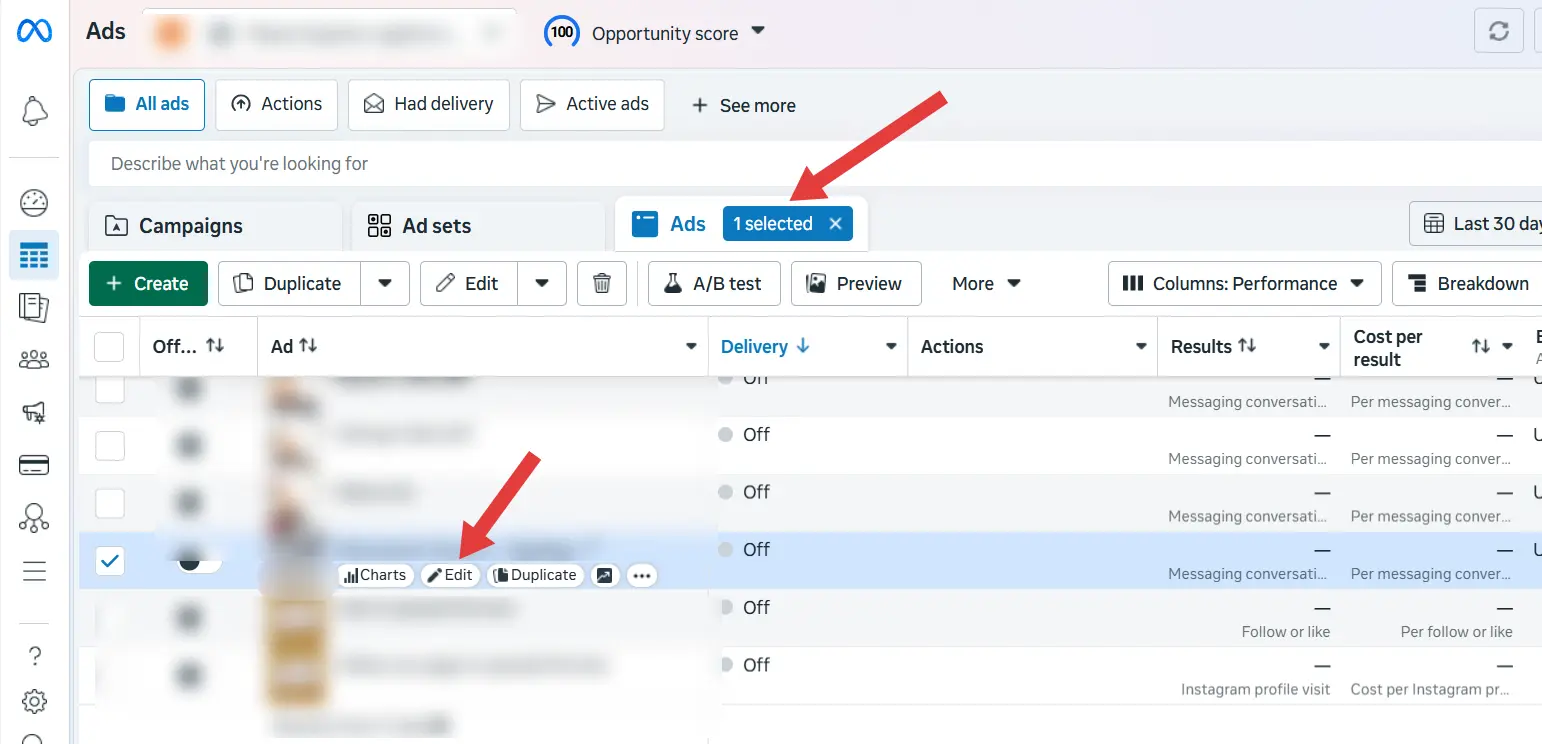
- In the Ad Preview panel on the right, click the drop-down arrow to open Preview and Sharing options.
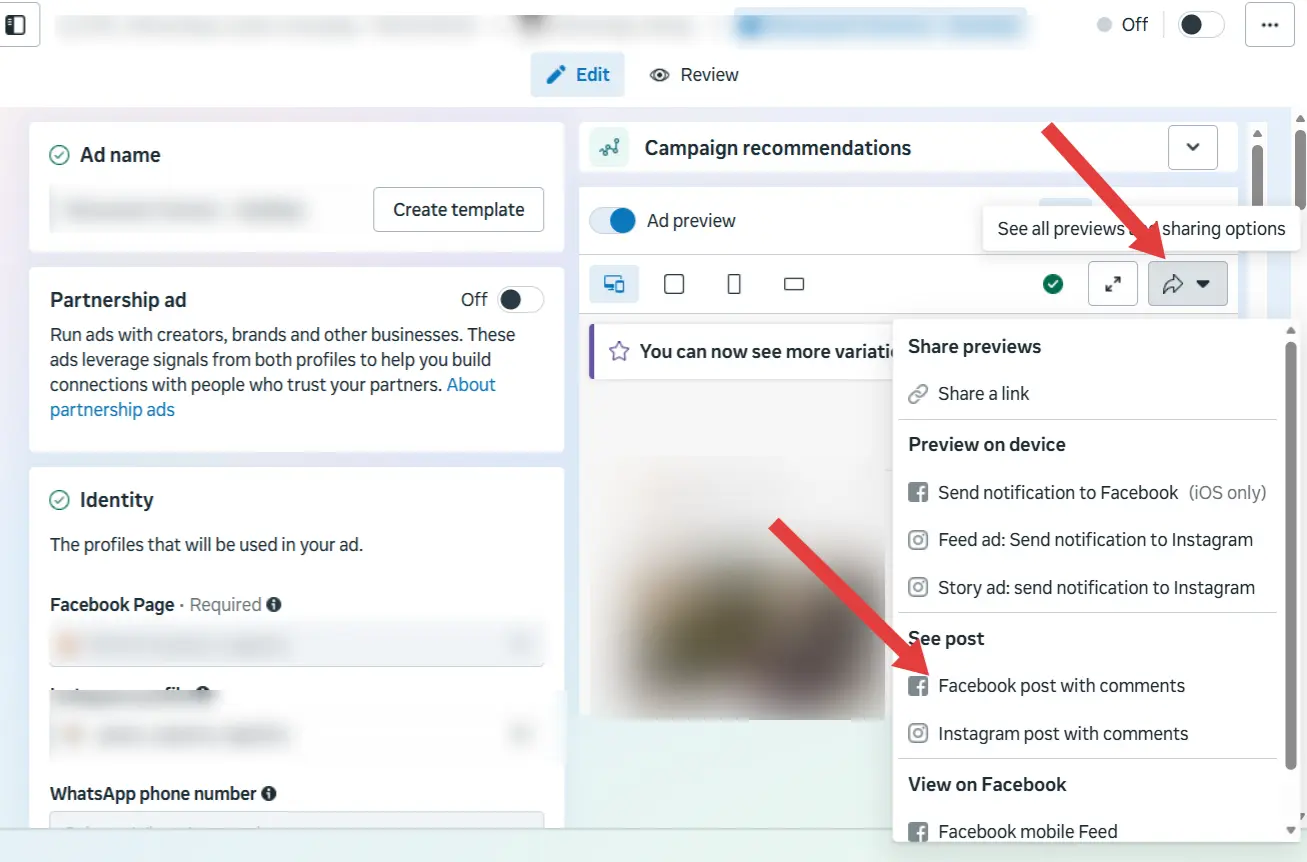
- Under See Post, select Facebook Post With Comments. This opens the ad as a Facebook post in a new tab.
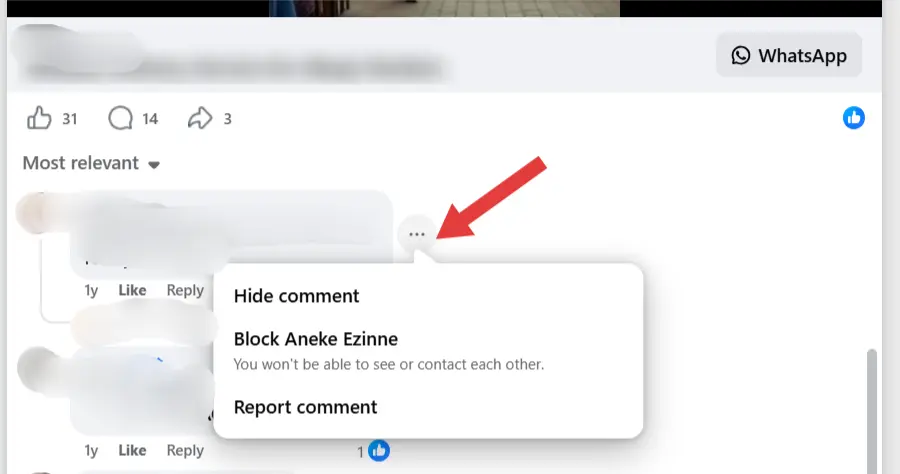
- Review the comments, then click the three-dot menu beside any comment to hide it, block the commenter, or report the comment.
5. Automate What Facebook Can't
Brands often manage hundreds of posts across multiple social platforms, making manual review unrealistic. Harmful comments also don't follow office hours, meaning problems often spread long before someone notices them.
A dedicated comment moderation tool like Spikerz helps close these gaps by providing:
- AI that understands context and sentiment instead of relying only on keywords
- Automatic detection of spam, scams, phishing attempts, and abusive comments
- Centralized moderation across Facebook, Instagram, TikTok, YouTube, LinkedIn, WhatsApp and X
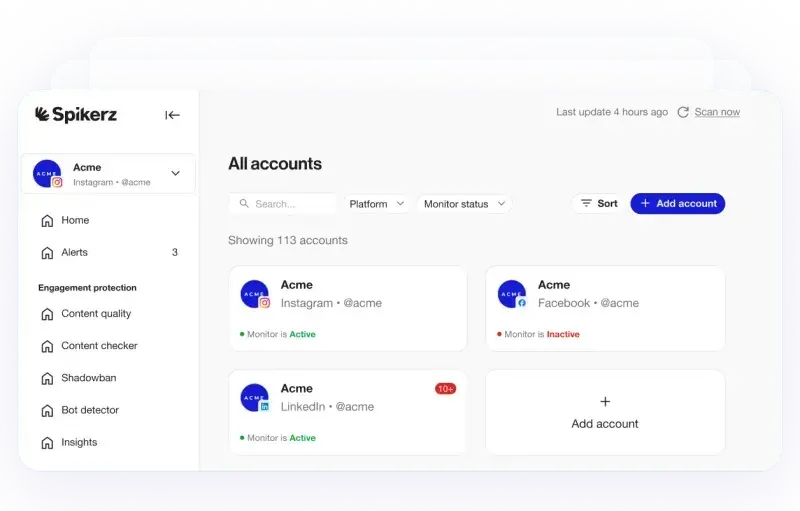
- Real-time monitoring throughout the day
- Analytics that reveal recurring threats and emerging spam patterns
All these means, marketing teams spend less time reviewing hidden comments and more time engaging with genuine customers.
Final Words
Managing unwanted comments on Facebook helps in maintaining a positive and engaging online presence. While Facebook provides several tools to help with this, they often require constant attention and manual effort.
The first step is understanding how to block comments on Facebook and how to hide comments on Facebook using built-in tools. However, tools like Spikerz offer advanced features that automate the process, saving time and improving overall efficiency.
