The 2026 Social Media Crisis Playbook

Summary:
Social media crises in 2026 move faster than most teams are ready for. This guide walks through all three stages: spotting the warning signs and locking down your accounts before anything happens, exactly how to communicate once a crisis hits, and what to do afterward so it doesn't happen again. If you're short on time, jump straight to the checklist, or book a free crisis readiness audit if you'd rather have us look at your brand's specific setup.
One hacked account. One viral moment. One unapproved post. That's all it takes to lose control of your brand's story, and it can happen faster than most teams are ready for.
Whether it's an account takeover, an AI-generated deepfake, or a comment section spiraling out of control, a social media crisis isn't a rare exception anymore. It's a when, not an if.
If you joined our webinar, The 2026 Playbook for Navigating a Social Media Crisis, with Spikerz CEO Naveh Ben Dror and crisis PR consultant Emma Streets, this is your practical follow-up. Everything from the session turned into something you can actually put to use. If you didn't make it, you're in the right place anyway. Everything you need is below.
Why 2026 is different
AI has changed both sides of this problem. Attackers aren't manually choosing which brands to target anymore. Automated tools scan thousands of accounts at once looking for the smallest vulnerability: an old password, a former employee who still has access, a personal account tied to a company page. At the same time, the volume of content, comments, and misinformation brands have to track has outgrown what any human team can manage manually.
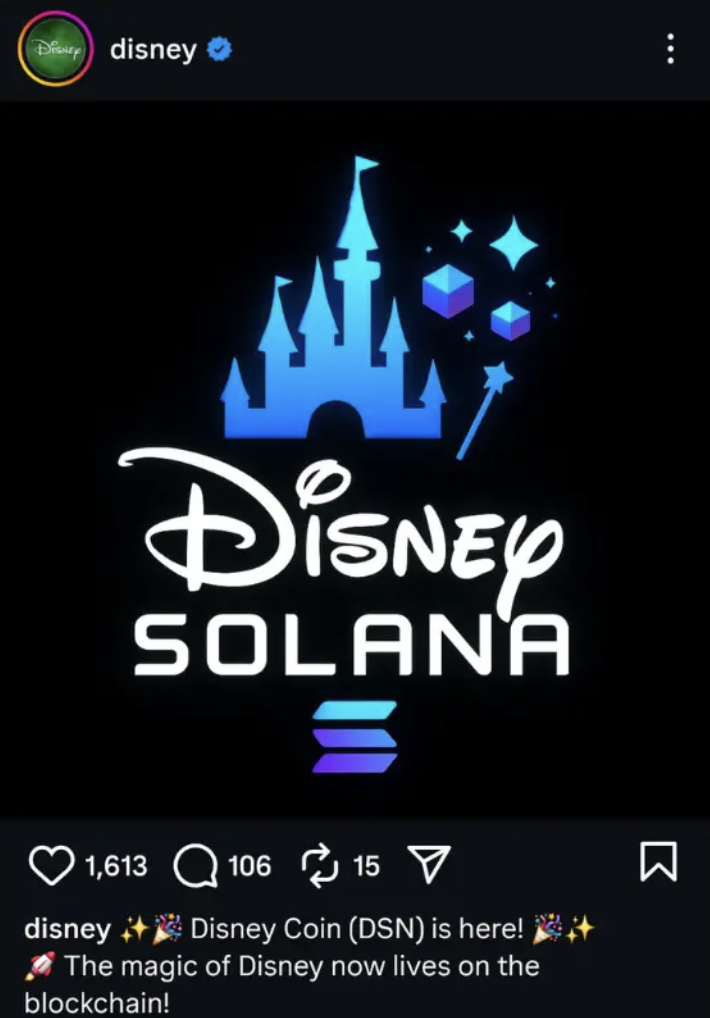
Two recent examples show how fast this moves. In October 2025, hackers took over Disney's Instagram account to push a fake cryptocurrency, catching out anyone who trusted what looked like an official announcement.
Around the same time, Astronomer became one of the most talked-about brand crises of the year, first because their CEO was caught having an affair live at a Coldplay concert, but then because of how the company chose to respond to it publicly, hiring Gwyneth Paltrow as a "very temporary spokesperson" for a self-aware video. Comms professionals were split: some saw it as a genuinely clever move, others felt it complicated an already difficult situation for the people involved. Either way, it's a good example of how much scrutiny a crisis response gets today.
Before a crisis
Most social media crises don't start with a mystery. They start with a gap that's easy to miss until something exploits it.
Know who actually has access. It's common for former employees, old agencies, or freelancers to still have live access to brand accounts years after they've stopped working with you. Personal accounts linked to a brand page are another common entry point. If someone's personal login is compromised, and it has access to your brand's Facebook page, that's now your crisis too.
Centralize authentication, don't rely on a shared spreadsheet. It's more common than you'd think for a business with dozens of social accounts to manage passwords through a single shared document, passed around and rarely updated. If that document leaks, gets forwarded to the wrong person, or just goes stale, every account on it is exposed at once.
Rotate credentials on a schedule, not just when something feels wrong. Changing passwords every four to six weeks sounds basic, but it's one of the most effective things you can do, and one of the most commonly skipped.
Know your early warning signs. A login from an unfamiliar location or device, a sudden spike in mentions or comments, a new account impersonating your brand, a wave of near-identical spam comments. These are usually the first signal, not the crisis itself. Catching them early is the difference between a quiet fix and a public one.
Prevention checklist
- Audit who currently has access to every social account, including agencies and former employees
- Remove access immediately when someone leaves the team or ends a contract
- Move off shared spreadsheets and into a centralized, permission-based system
- Set a recurring schedule to rotate passwords and review access
- Set up monitoring for unusual login activity and sudden spikes in comments or mentions
- Know what an impersonation account of your brand would actually look like, and have a reporting process ready
During a crisis
This section is built directly from a framework created by Emma Streets, founder of Streets PR. It's the same approach she uses with her own clients.
Don't feel pushed to respond instantly. It's uncomfortable to stay quiet, but not everything needs a response. As a general rule, prioritize direct questions and factual corrections first, and give yourself room to think before reacting to everything else.
Every channel needs its own strategy. What works on TikTok won't necessarily work on Facebook or X. A single copy-pasted response across every platform often looks and feels wrong on at least one of them, which can make a bad moment worse rather than better.
Stay connected internally, not just within comms. Running front-line communications during a crisis is genuinely stressful, and it's easy to isolate the response to comms, legal, and leadership. In reality, sales, customer service, IT, and operations often need to be looped in too, and your own team needs support and realistic contingency plans if the crisis runs outside of normal hours.
Remember: responses are quotable, and screenshots live forever. Whatever form your response takes, video, written comment, or post, it can end up quoted directly in media coverage. That means it deserves the same scrutiny as a formal press statement: clear, factually correct, and able to hold up under later examination.
Correct misinformation as a priority. Not every situation calls for a public response, but misinformation is different; it needs to be flagged and corrected quickly. Speed matters here more than almost anywhere else, which is exactly where good monitoring tools earn their keep.
After a crisis
Lessons learned is one of the most important parts of reputation management, and the part most likely to get skipped in the rush to move on.
Once things settle, look at what your monitoring picked up throughout the incident and use it: what needs to change in your internal process, what stakeholder feedback came in, and where your existing plan didn't hold up in practice. It's also worth asking how content on other channels needs to adapt in the aftermath; a crisis on one platform rarely stays contained to just that platform.
As Emma puts it:
"Crisis comms is about what you do, not what you say."
Show that you've actually taken something from the incident, not just that you've said the right things about it.
Quick-reference checklist
Before
- Audit access to every social account
- Centralize authentication and rotate credentials on a schedule
- Set up monitoring for logins, mentions, and impersonation accounts
- Build a per-channel response strategy and pre-approved language in advance
During
- Prioritize direct questions and factual corrections;, not everything needs a response
- Tailor your response by channel, don't copy-paste
- Keep internal teams (not just comms) informed and supported
- Write every response as if it could be quoted in the press, because it might be
- Correct misinformation quickly and visibly
After
- Run an actual lessons-learned review, not just a debrief
- Update your policy and pre-approved language based on what you learned
- Check whether content on other channels needs to adapt
About the experts
Naveh Ben Dror is CEO and Co-Founder of Spikerz, the social media cyber security platform protecting brands from hacks, impersonation, and coordinated attacks. Working across hundreds of brand accounts, he sees firsthand how today's crises actually start, and how to catch the warning signs before they go public.
Emma Streets is a crisis and reputation consultant and founder of Streets PR, with 21 years in PR and communications, including five years as in-house crisis lead at Evri. She built her career in social media from its earliest days, and now advises brands and business leaders through their highest-stakes moments.
Book a crisis readiness review
The fastest way to know where your actual blind spots are is to have someone look at your specific setup. Our team runs free crisis readiness reviews, a working session to check your accounts against everything in this guide and flag exactly where your brand is exposed.
